Barbara GERKE (PI)
Barbara Gerke (M.Sc. Medical Anthropology and D.Phil. Social Anthropology, University of Oxford) completed a DFG (German Research Foundation) principal investigator project on Tibetan mercury practices at Humboldt University of Berlin (2011–2015) and an FWF (Austrian Science Fund) Lise-Meitner senior research fellowship (2015–2018) at the University of Vienna, researching biographies of Tibetan precious pills. She is the author of Long Lives and Untimely Deaths: Life-Span Concepts and Longevity Practices among Tibetans in the Darjeeling Hills, India (Brill, 2012) and Taming the Poisonous: Mercury, Toxicity and Safety in Tibetan Medical Practice (Heidelberg University Publishing, 2021).
Jan VAN DER VALK (Postdoc)
Dr. Jan van der Valk is a scholar-practitioner with a multi-disciplinary academic training in the fields of biology and anthropology. He was awarded the Ethnobotany Prize for Best Student in 2012, and the main findings of his MSc dissertation were published in Herbal Medicine. Jan’s interests revolve around the techno-scientific and material processes that transform natural substances into Tibetan medical formulas, which was also the main theme of his doctoral dissertation (University of Kent, 2017). He studied Sowa Rigpa with his teacher Gen. Pasang Yonten Arya for more than a decade.
RESEARCH ASSOCIATES
Calum BLAIKIE
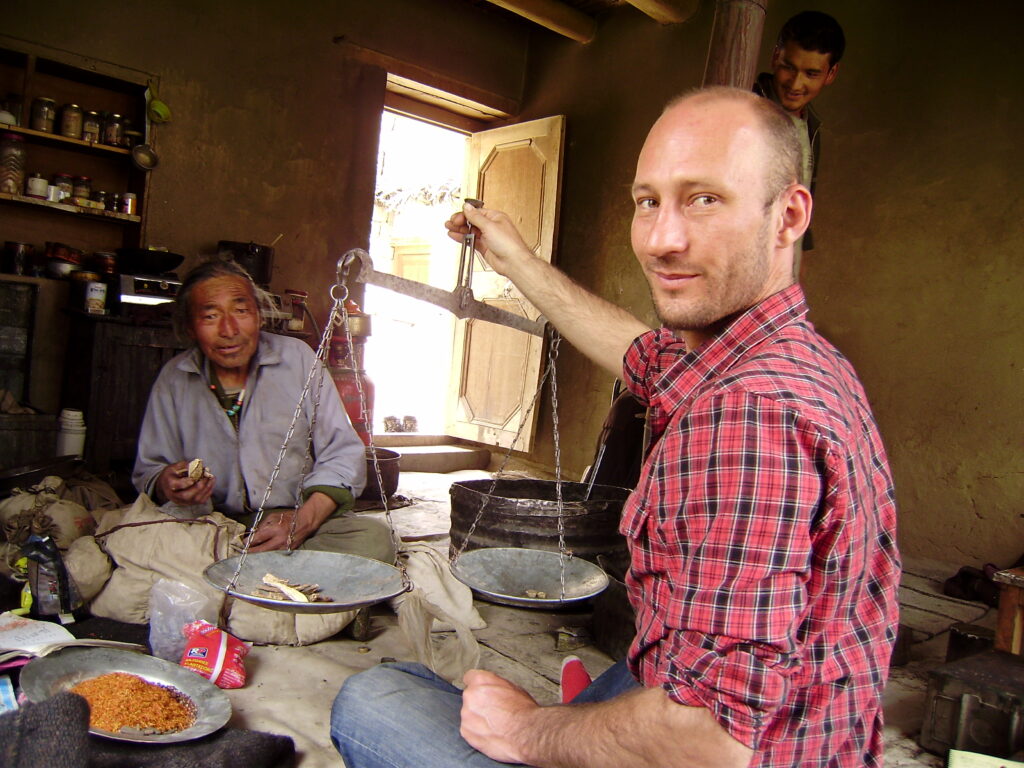
Calum Blaikie holds a PhD in social anthropology from the University of Kent (2014). He has conducted research and applied work on Sowa Rigpa in the Indian Himalayas and Nepal since 2001, focusing on materia medica flows, medicine production and distribution, and therapeutic economics. After successfully leading the award-winning international NGO Nomad RSI for over ten years, he completed his PhD before conducting a postdoctoral fellowship within the French National Research Agency’s (ANR) Pharmasud project on the traditional pharmaceutical industry in India. From 2015 to 2019 he held a research position at the Austrian Academy of Sciences’ Institute for Social Anthropology on the ERC-funded project “Reassembling Tibetan Medicine.” Blaikie’s has published in numerous edited volumes and journals, including Current Anthropology, Social Science & Medicine and Anthropology & Medicine. He is the Principal Investigator (PI) of the Austrian Science Fund project “Integrating Traditional Medicine: Sowa Rigpa and the State in India” (2021–2025), based at the Institute for Social Anthropology, Austrian Academy of Sciences.
Calum’s contribution to the project consists of providing expertise on the socio-economic contexts of small-scale medicine making and providing valuable data and insights from his extensive ethnographic fieldwork, especially on consecration rituals and the use of blessed materials.
Tawni TIDWELL
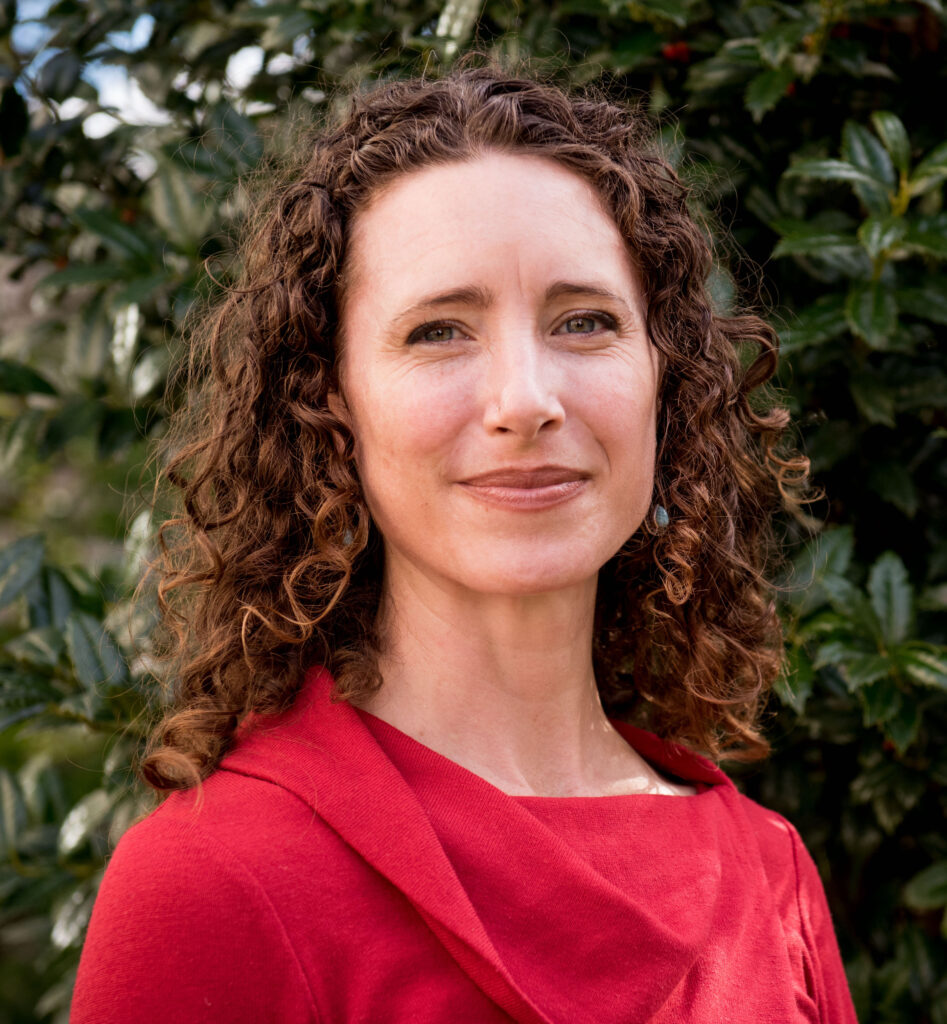
Dr. Tidwell is a Tibetan medical doctor and biocultural anthropologist. Her current work bridges Western and Tibetan medical approaches to wellness at the Center for Healthy Minds at University of Wisconsin-Madison, while seeing patients in her private clinical practice. She recently completed a one-year postdoc with the Austrian Academy of Sciences’ Institute of Social Anthropology (ISA) on the ERC-funded Project RATIMED (Reassembling Tibetan Medicine) that is integral to her ongoing work on pharmacological lineages in eastern Tibet and their particular approaches to medicinal compounding. She is also an advisor and associate translator for the Tibetan Community Healthy Network, a Tibetan language-based health education resource for Tibetan populations.
Tawni’s role in the project is to analyze concepts of potency, active/dynamic substances and medicine/toxin paradigms in the Four Tantras (Rgyud bzhi) and its most prominent commentaries.
Stuti SINGH

Stuti Singh completed her BSc in biomedical sciences at Delhi University (2018), and an MSc degree in anthropology from Amity University (2020). Her dissertation explores traditional medical practices for treating snakebites in Madhya Pradesh. These findings were published in the edited volume Indigenous People and Nature: Insights for Social, Ecological and Technological Sustainability. She was the principal investigator of the project “Amchi of Old Days and Modern Amchi” (2021-2023) funded by the Indian Council of Medical Research.
Stuti has been collaborating with us since March 2023, conducting fieldwork on medicine making tools among amchi in Spiti. She co-authored a chapter with Barbara for the book Among Tibetan Materialities, edited by Emma Martin, Trine Brox, and Diana Lange (HASP 2025).
Mridul SURBHI
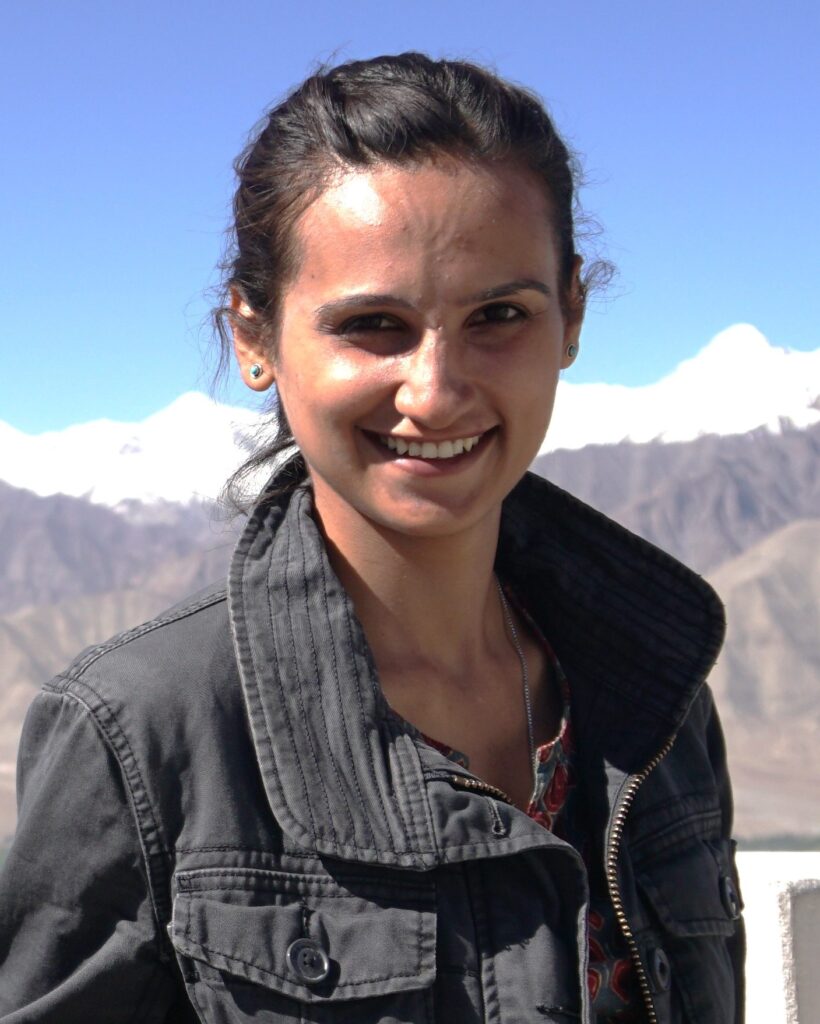
Mridul Surbhi (BA in Philosophy, MA in Social Anthropology) is a doctoral scholar in the Department of Humanities and Social Sciences, Indian Institute of Technology Delhi. Drawing on long-term ethnographic fieldwork in Kinnaur, Spiti, and Kullu (Himachal Pradesh), she focuses on Sowa Rigpa knowledge transmission, non-human agents and the impact of conservation and development paradigms and state policies affecting amchi medical practice. Her work centers on the lived experiences of non-institutionally trained amchi in the Indian Himalayas.
Her work sits at the intersection of science and technology studies (STS), Himalayan studies, and medical anthropology. Her thesis argues for relationality as an analytical lens to examine and understand amchi lives in relation to Sowa Rigpa knowledge, sociality and habitus, and Himalayan ecology. She previously worked as a researcher and program coordinator with the Dalai Lama Trust and Tong-Len Charitable Trust in Dharamshala (2016–2018) and is currently in the final stages of completing her doctoral thesis.
Mridul has been collaborating with us since March 2023. She co-authored a book chapter with Jan van der Valk for the book Among Tibetan Materialities, edited by Emma Martin, Trine Brox, and Diana Lange (HASP, 2025).
She also contributes to the Pandemic Narrative Project through her ethnographic narratives and insights from her field sites, where she lived and worked for extended periods before, during, and after the pandemic. She examines the concept of ‘degenerate times’ (snyigs ma’i dus) in relation to the pandemic as a form of rupture and decline, as experienced and narrated by people in her field sites.